
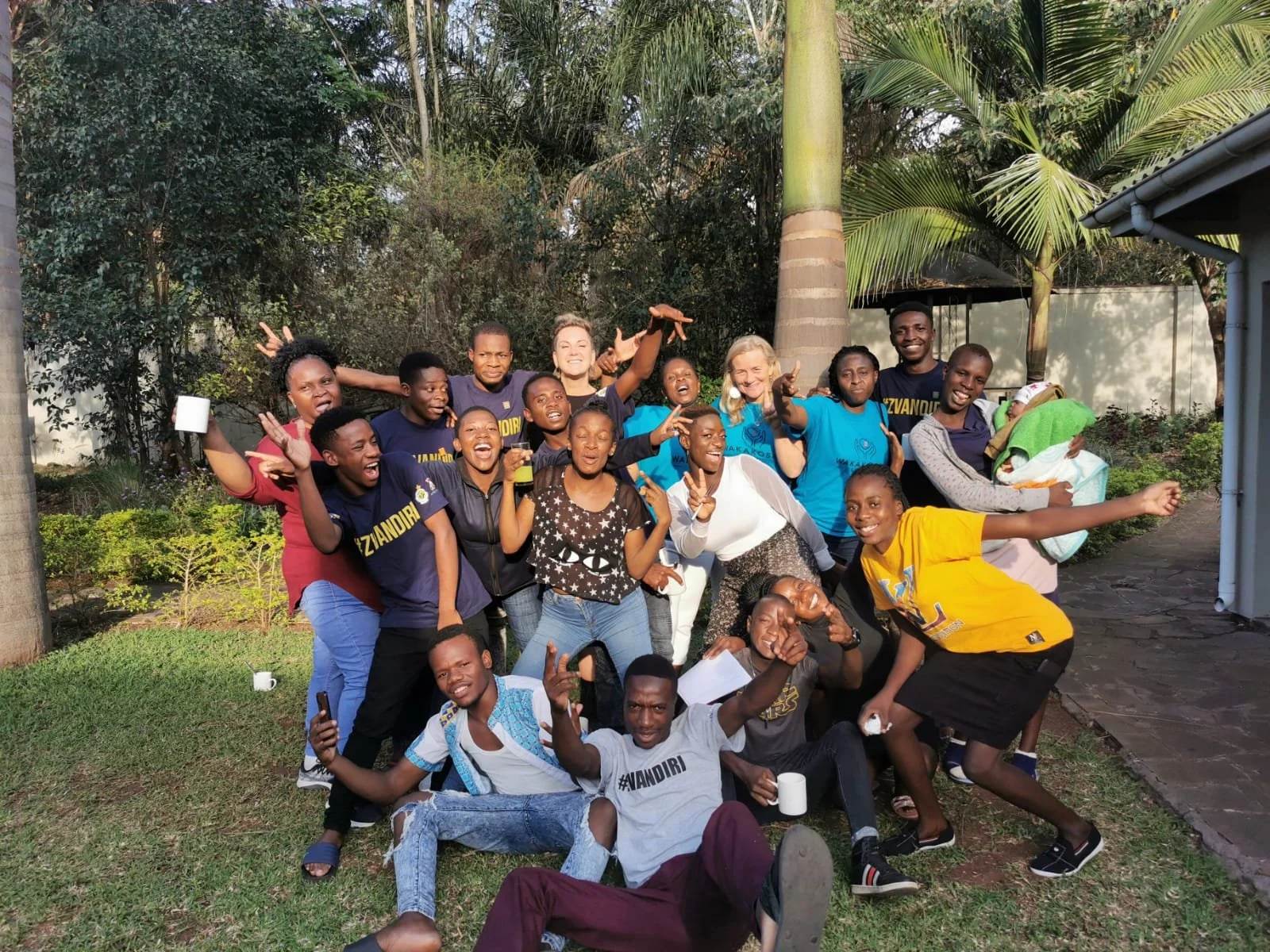
In Service of Change
Social Impact & Non-Profit Work
My work extends beyond individual coaching and retreats into communities and systems where stigma, inequality, and silence deeply affect people’s lives.
At the heart of this work is a commitment to addressing self-stigma and shame—not only as personal experiences, but as social and structural challenges that shape health, identity, and opportunity
If you want to know more or Donate to this not-for-profit work, visit:


Beyond Stigma
I am Co-founder and CEO of Beyond Stigma, an organisation dedicated to addressing self-stigma and shame through Inquiry-Based Stress Reduction, meditation, and creative practice.
Since 2015, we have worked in partnership with communities across:
Ireland · Zimbabwe · Rwanda · Ghana · South Africa · Vietnam · Cambodia
Together, we co-create programmes with and for:
Young people living with HIV
Migrant women
Those affected by gender-based violence
Sex workers
Individuals living with tuberculosis
People experiencing overweight and related stigmaThis work is grounded in deep listening, collaboration, and respect for lived experience.
Why This Matters
Self-stigma can be one of the most invisible yet powerful barriers to wellbeing.
It impacts:
-
When people internalise stigma, they are less likely to seek help, access services, or prioritise their own wellbeing.
Feelings of shame, fear, or not being “worthy” of care can lead to delays in treatment, disengagement from health systems, and poorer health outcomes.
Addressing self-stigma helps people reconnect with their right to care, and supports more empowered and proactive health choices.
-
Self-stigma often creates distance—both from others and from ourselves.
It can lead to withdrawal, difficulty trusting, or a sense of not belonging. People may hide parts of their experience or feel unable to be fully seen.
Through inquiry and reflection, individuals begin to soften these patterns, opening the possibility for more honest, connected, and compassionate relationships.
-
When negative beliefs are internalised, they can shape how people show up in their lives—limiting confidence, voice, and decision-making.
Self-stigma can quietly reinforce the idea that “I’m not good enough” or “I don’t deserve more.”
By questioning these beliefs, people begin to reclaim a sense of agency, possibility, and self-worth—often leading to meaningful changes in how they live, work, and relate.
-
Stigma—both internal and external—can create barriers to accessing support systems, even when they are available.
People may feel judged, misunderstood, or excluded within services, or may avoid them altogether.
Addressing self-stigma helps individuals engage more openly with support, while also contributing to more compassionate, inclusive systems over time.
By addressing self-stigma, we begin to shift not only individual experience, but also the wider systems and narratives that sustain inequality.
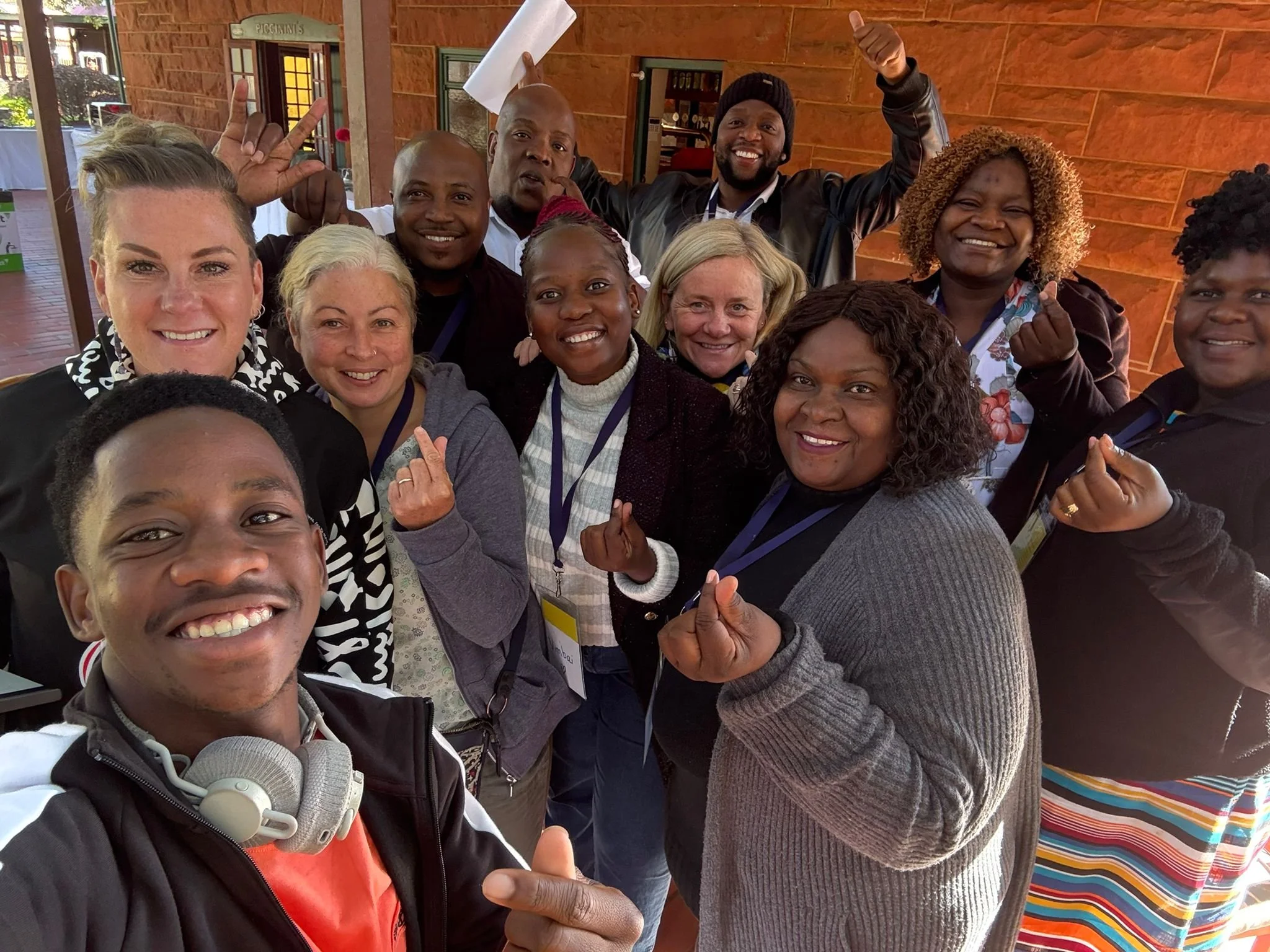
If you’d like to learn more, collaborate, or bring this work into your organisation: